Hey, remember when building a product felt like throwing darts in the dark? As a product manager, you've probably been there: relying on gut feelings or that one loud voice in the room, only to watch features flop or users vanish. That's where data-driven decision making in product management comes in. It's not just buzz; it's the shift from guessing to knowing, using real evidence to guide your choices. In this post, I'll dive into why it's crucial, how to do it step by step, and some killer examples from the digital world. Let's make your next product a hit.
Why data-driven decisions matter in product management
Back in the day, product decisions were mostly intuition-based. Think early 2000s: managers leaned on experience and qualitative chats to understand users. But as digital tech exploded, so did the data. Suddenly, you could track every click, scroll, and bounce. This shift to a data-driven culture changed everything. Organizations that embrace it see better performance: higher user engagement, faster iterations, and real competitive edges.
Why bother? For starters, it cuts through biases. User research shows us that assumptions can lead you astray; data provides the cold, hard truth. Companies ignoring this risk wasting resources on features nobody wants. Stats back it up: Firms using data-driven approaches are 5-6 times more likely to make faster decisions and achieve profitability (source). In product management, blending quantitative metrics like conversion rates with qualitative insights from interviews creates a fuller picture. It's about empathy meets evidence, ultimately delivering products users love.
But it's not all smooth. Challenges like poor data quality or over-reliance on numbers can trip you up. The key? Balance. Use data to inform, not dictate, and foster a team culture where everyone questions and learns from it.
The step-by-step process of data-driven decision making
So, how do you actually make data-driven decisions? It's not magic; it's a structured process called DDDM (data-driven decision making). From defining goals to evaluating outcomes, here's the breakdown. Follow these, and you'll turn raw data into actionable strategies.Define your objectivesStart with clarity. What problem are you solving? Is it boosting user retention or optimizing a feature? Clear objectives align your team and spotlight the data you need. Without this, you're collecting noise. Think SMART goals: specific, measurable, achievable, relevant, time-bound. This step ensures every data point ties back to business priorities.
Identify and collect dataNext, hunt for sources. Pull from customer interviews, analytics tools like Google Analytics, or even competitor benchmarks. Variety matters: Mix structured data (numbers) with unstructured (emails, feedback). Tools like Mixpanel help track user behaviors. Remember, quality over quantity: bad data leads to bad calls. Aim for diverse inputs to capture the full user story.
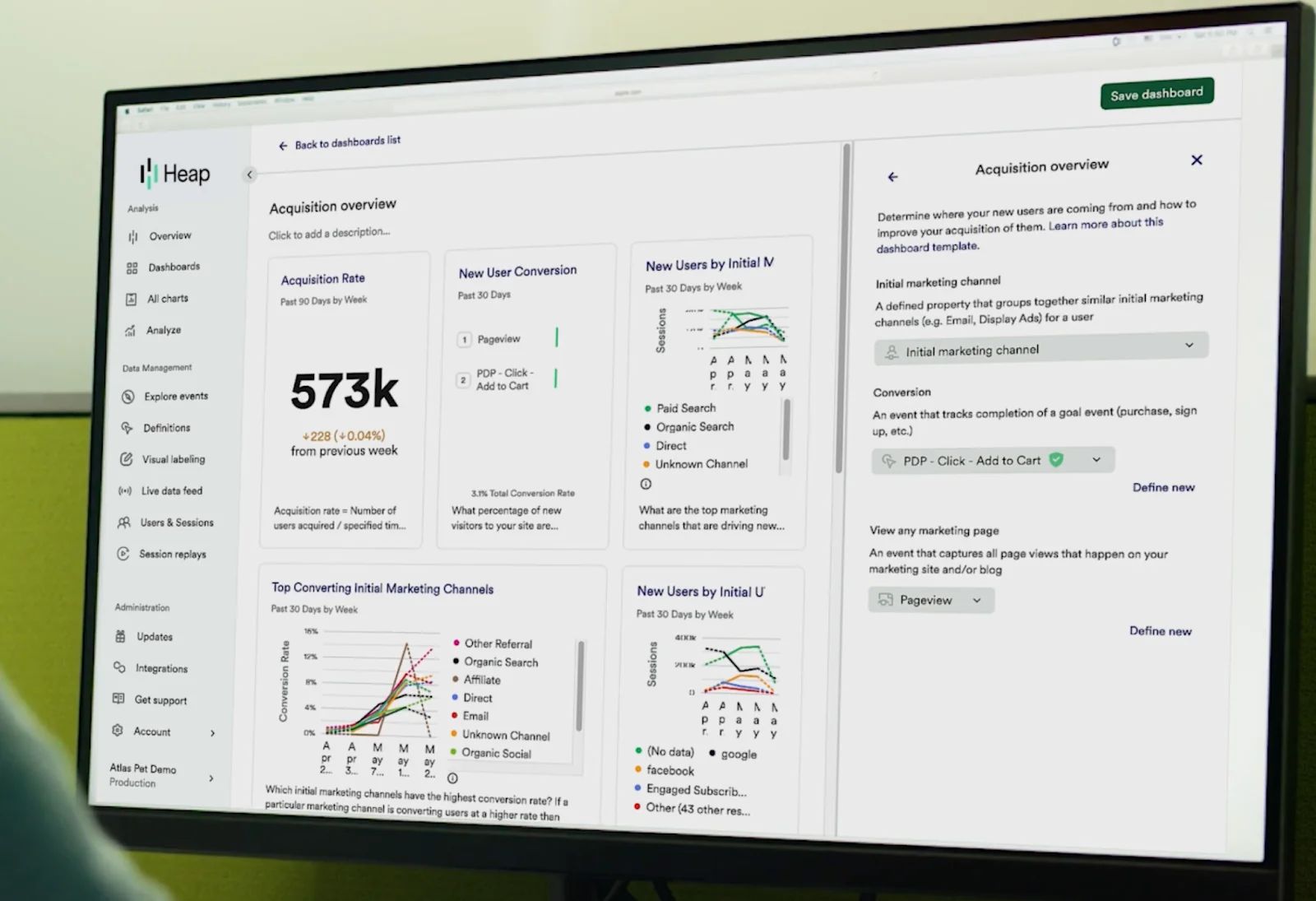
Organize and explore the dataRaw data is messy. Clean it up: Spot patterns, anomalies, or trends using visualization tools like Tableau. This exploratory phase reveals insights you might miss otherwise. Dashboards make it visual and shareable, helping your team sift through large sets efficiently.
Analyze the dataNow, crunch time. Apply stats: A/B testing, predictive analysis, or cohort studies. For instance, prescriptive analysis suggests actions based on outcomes. Use software like R or SPSS for depth. The goal? Turn data into evidence. Avoid pitfalls like confusing correlation with causation; always question your methods.
Draw conclusionsInterpret what you've found. How do these insights align with your objectives? Make recommendations: maybe pivot a feature or double down on a winner. This step bridges analysis to action, ensuring decisions are grounded.
Implement and evaluateRoll it out, then measure. Track KPIs post-launch to see if it worked. Iterate based on results. Continuous evaluation builds a feedback loop, refining your process over time. Tools like Optimizely for experiments make this seamless.
This process isn't linear; it's iterative. Integrate AI for faster insights, but always prioritize ethical data use.Real-world examples of data-driven success in digital products
Theory's great, but let's talk wins. Companies like Amazon, Uber, and Netflix have nailed data-driven decision making in digital product development. They've turned user data into gold, boosting experiences and bottom lines.Amazon's personalized empire
Amazon didn't become an e-commerce giant by accident. They analyze vast user data: preferences, browses, purchases, to fuel recommendations. This data-driven approach personalizes shopping, driving up to 35% of sales from suggestions alone. By A/B testing interfaces and pricing, they optimize in real-time. Result? Higher conversions and loyalty. It's a masterclass in using quantitative data for qualitative wins.
Uber's dynamic ride optimization
Uber collects data from every trip: routes, times, demand patterns. This powers dynamic pricing (surge) and route predictions, balancing supply and demand. Using real-time analytics, they adjust on the fly: reducing wait times and maximizing rides. In cities, this has cut inefficiencies by spotting trends early. Data here isn't just reactive; it's predictive, keeping the app indispensable.
Netflix's content personalization
Netflix thrives on viewer data: watches, pauses, ratings. Their algorithms recommend shows with eerie accuracy, boosting engagement. By analyzing behaviors, they invest in hits like "Stranger Things" based on trends. This data-driven strategy retains subscribers; personalization accounts for 75% of views. They blend qualitative feedback with quantitative metrics for spot-on decisions.
These examples show data's power in digital realms. Starbucks even uses app data for tailored offers, bridging physical and digital. Want more case studies? Dive into DZone's guide.Wrapping up: Embrace data for better products
Data-driven decision making in product management isn't optional anymore: it's essential. We've covered its importance in cutting biases and boosting outcomes, the six-step process to implement it, and inspiring examples from digital leaders like Amazon and Netflix.
The takeaway? Start small: Define goals, gather data, analyze ruthlessly. Balance with intuition, watch for challenges like privacy, and build a curious culture.
If you're a PM, experiment today. What's one decision you can data-fy? Share in the comments. I'd love to hear your stories.
Let's build smarter.